Equivalent exposures
Same light, different picture. Enter what your meter says and see every equal trade.
Learn · Four courses · One way of seeing
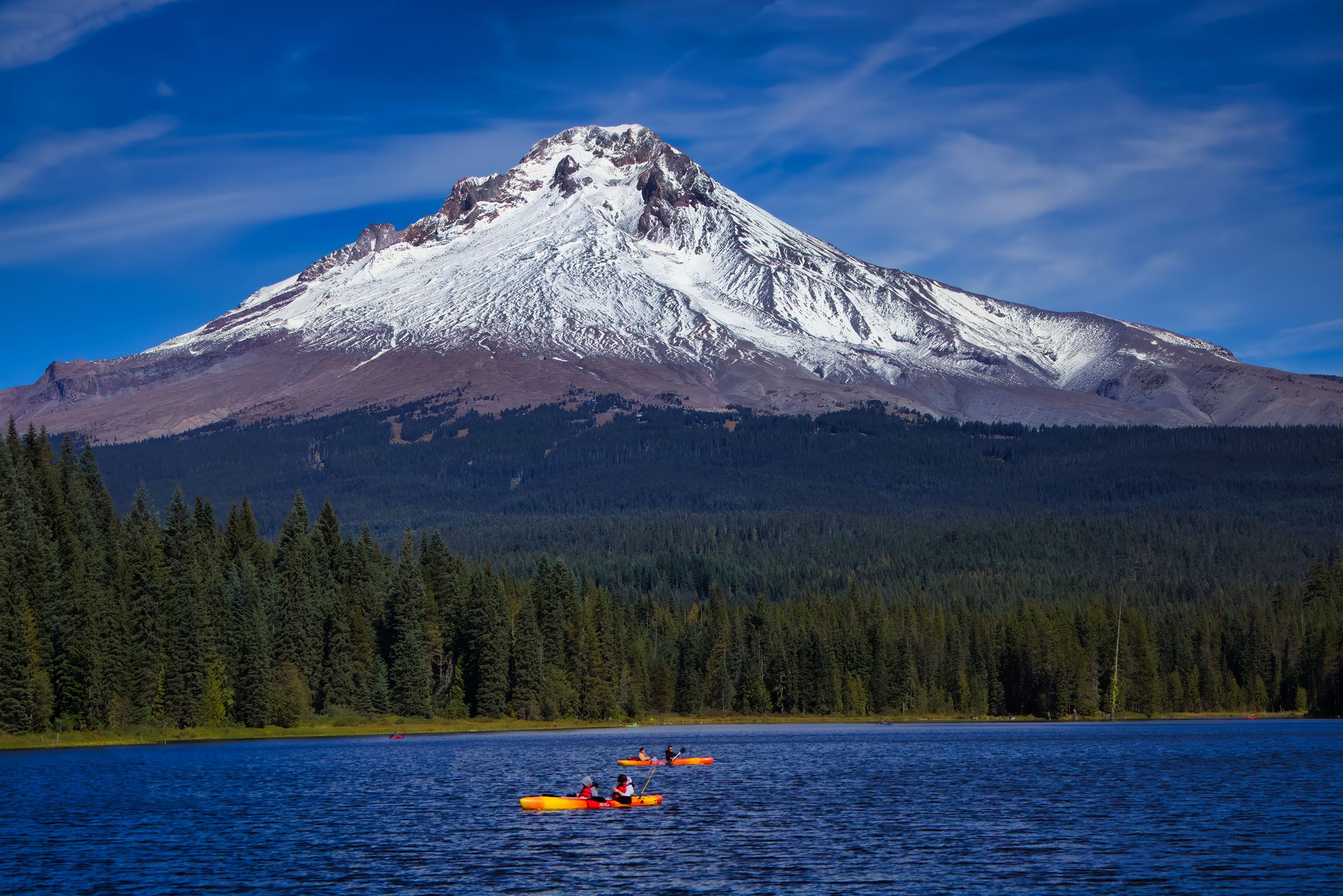
One photograph of Trillium Lake, four ways to read it. Each course teaches one of them, with a live graphic you can drive in every lesson.
Trillium Lake & Mt. Hood · Canon EOS Rebel T7 · 55mm · 1/2000 s · f/5.6 · ISO 400
The learning path
 01Exposure 101Control the light that reaches the sensorLive now
 02Seeing the LightChoose the light worth photographingSpring 2027
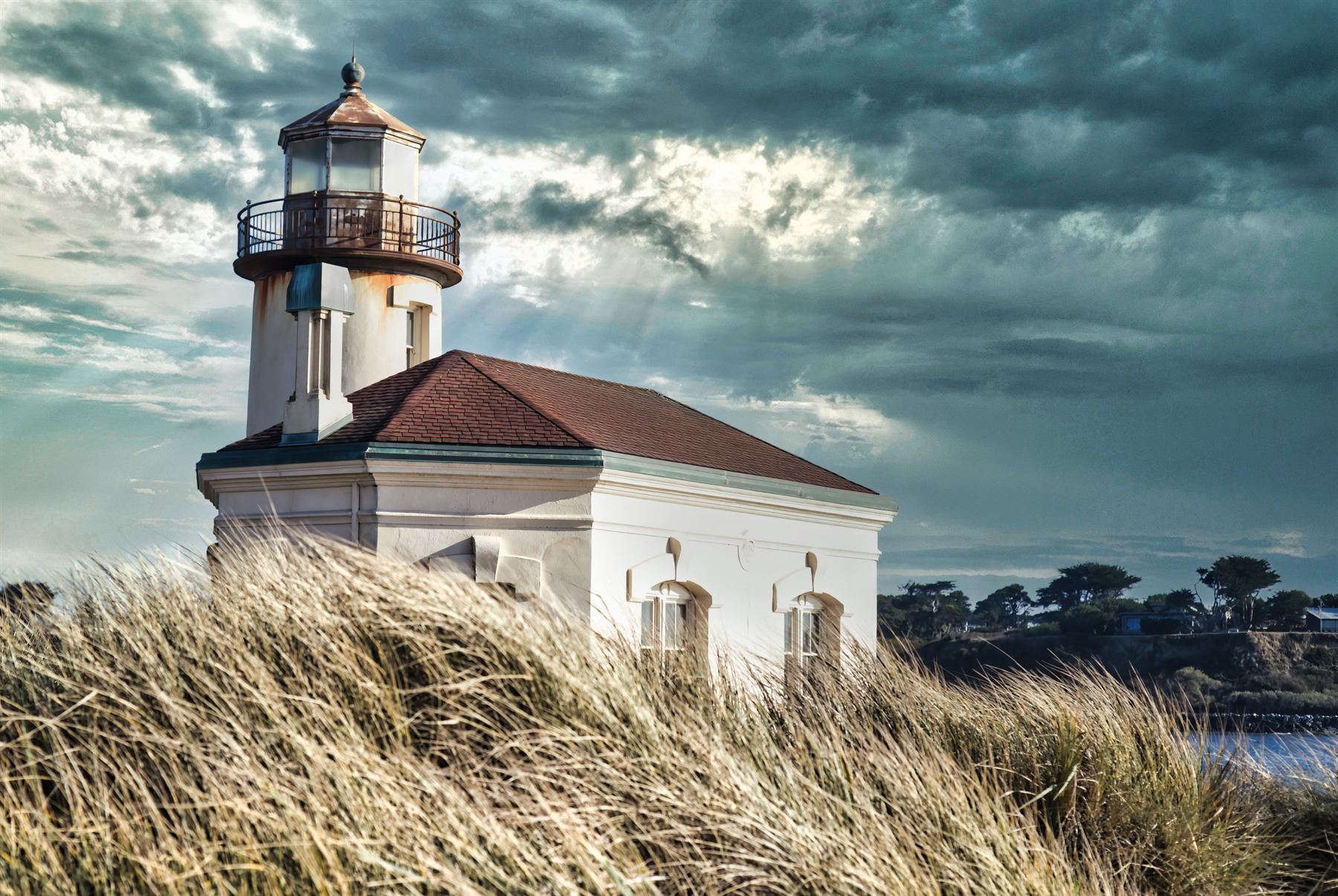 03CompositionArrange the frame so the eye followsSummer 2027
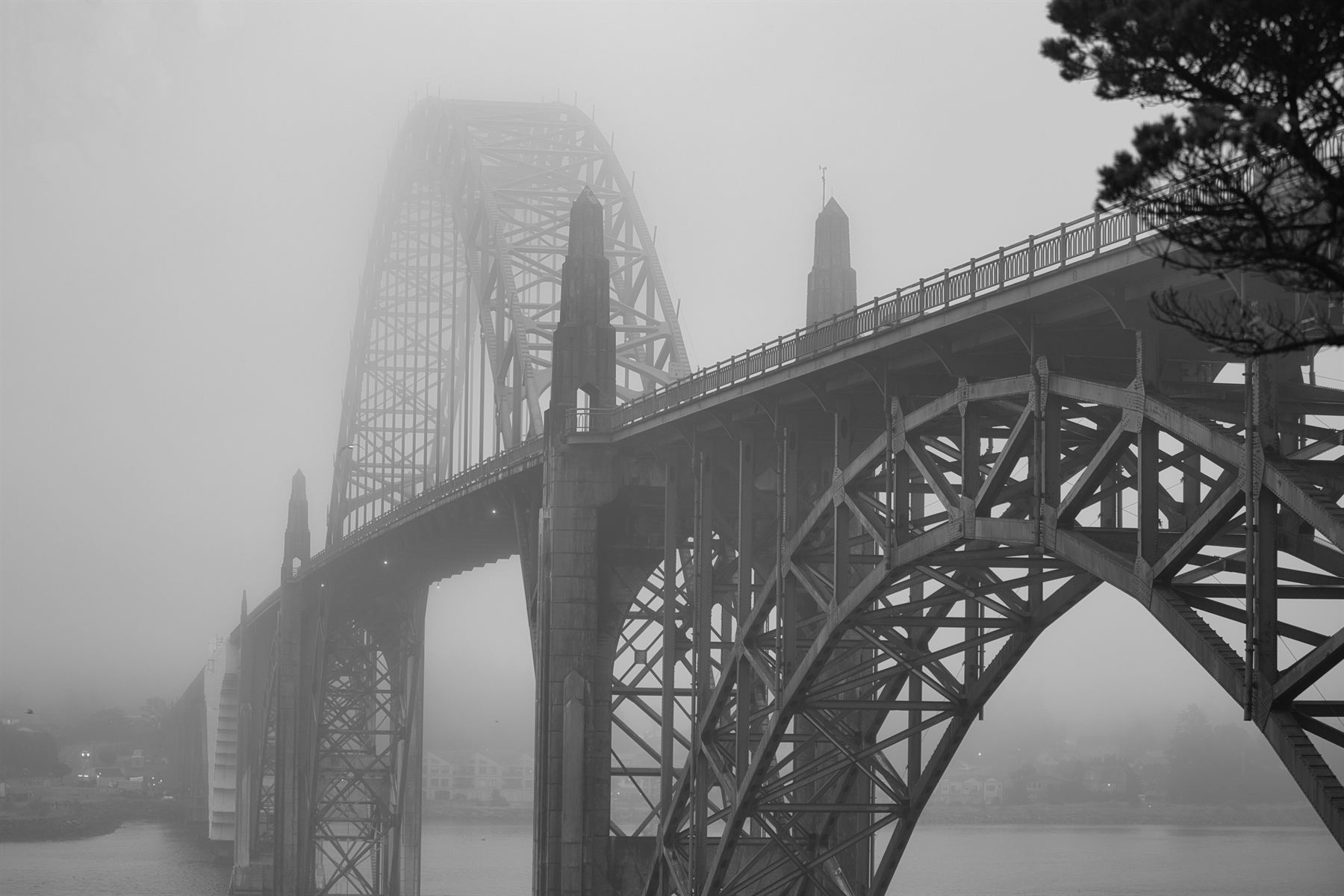 04Thinking Like a PhotographerPlan, work and edit with intentFall 2027
Aperture, shutter speed and ISO, finally making sense.
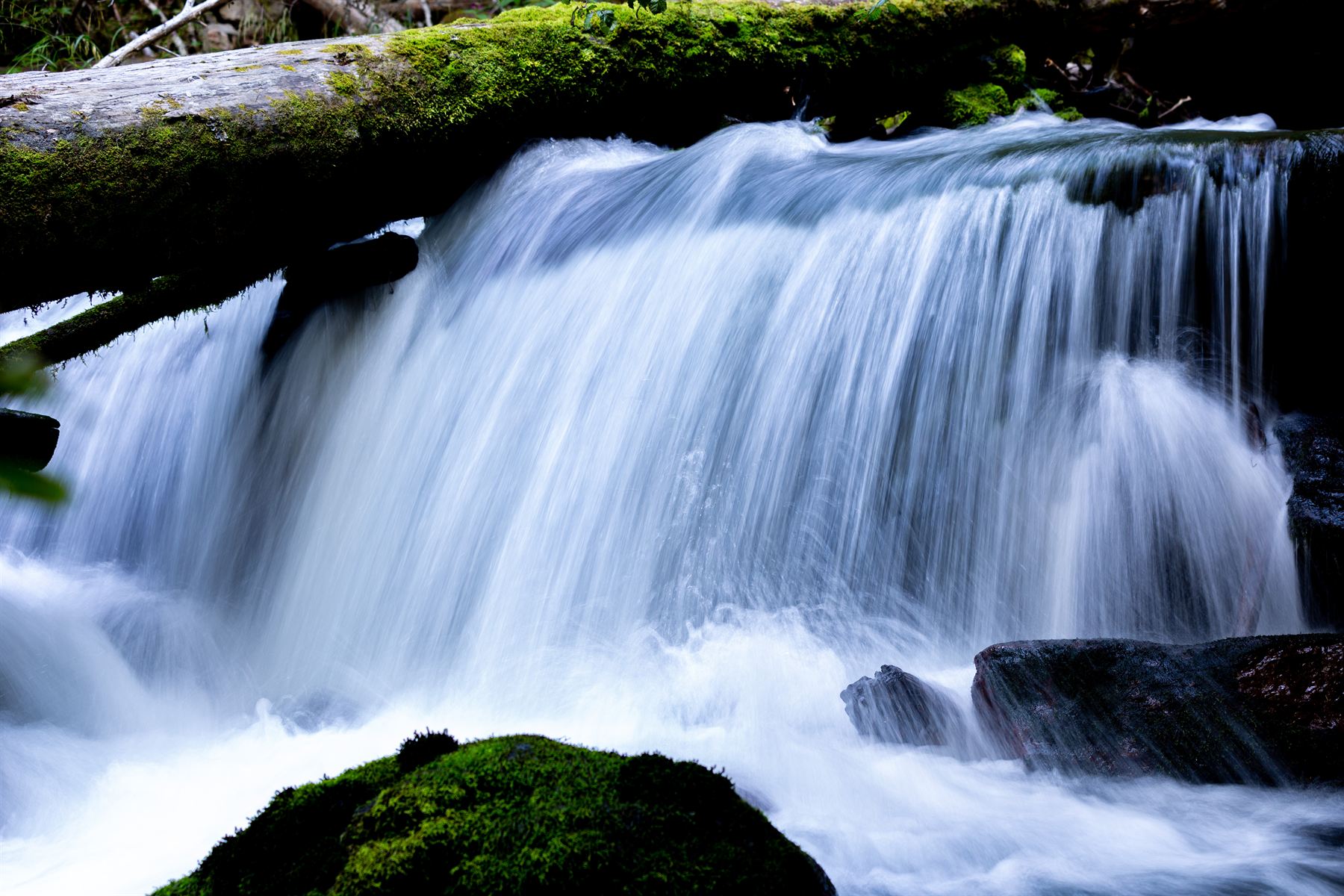
Forget memorizing the exposure triangle. Every pixel on your sensor is a bucket, and light pours into it like water. Watch 3D-rendered faucets fill, overflow and run dry; freeze a fountain at 1/2000 s; meter a white cat in the snow and see why the camera gets it wrong. Then take it all into a full exposure lab with missions that check themselves.
The subject is never the subject. The light is.
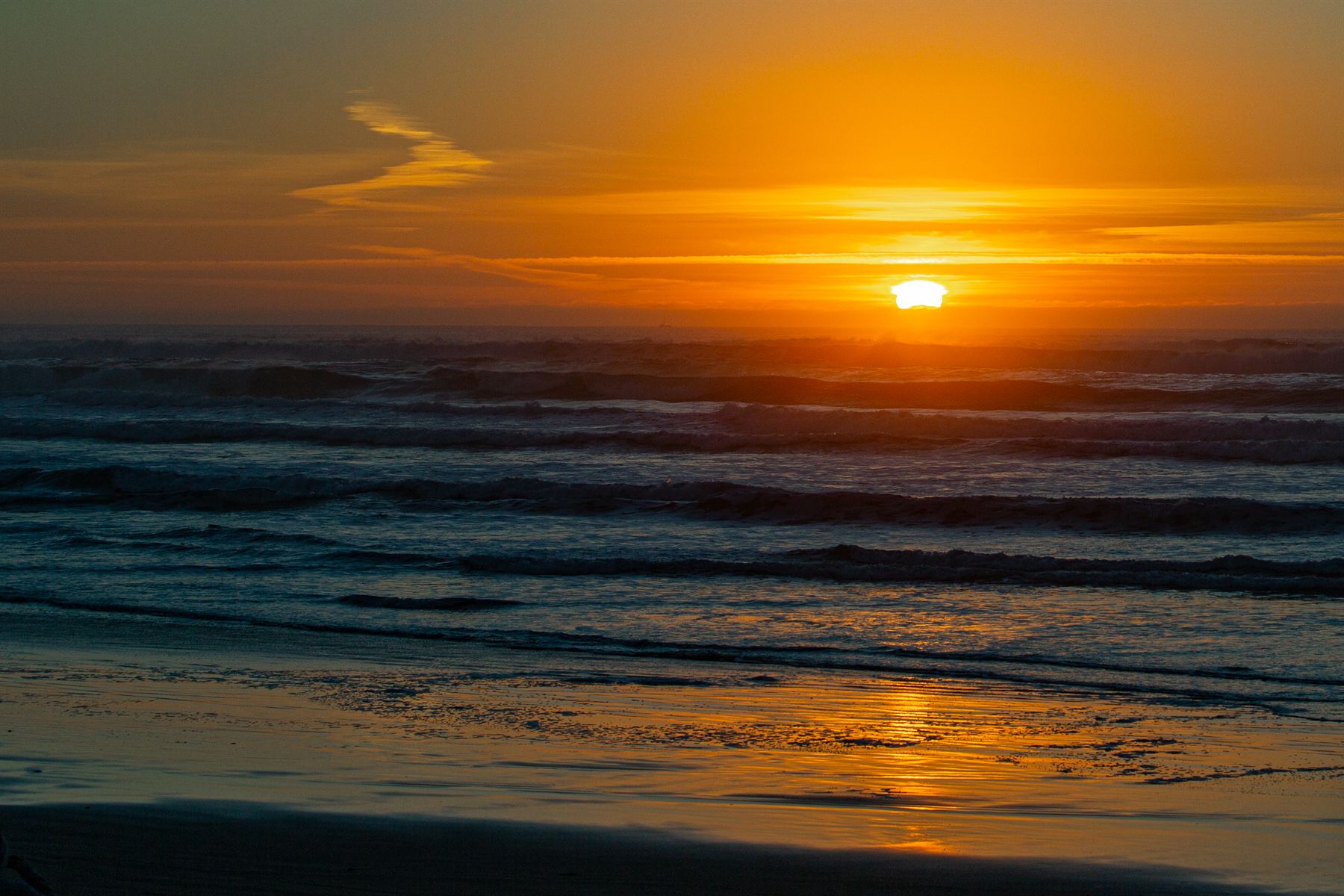
Landscape photographers don't wait for the place; they wait for the light on the place. Learn the four properties of light (quality, direction, color and intensity) and how weather, season and time of day change each one. Then plan a shoot around them.
Build a frame the eye wants to walk through.
The rule of thirds is a starting line, not a finish line. Learn where a viewer's eye lands first, how lines and light carry it through a frame, and how to balance weight so a photograph feels settled or deliberately tense. Every lesson uses real Northwest photographs you can re-crop yourself.
Good photographs are decided before the shutter clicks.
The capstone is about the habits behind the photographs: previsualizing an image, scouting and planning around light and tide, working one scene from wide to tight, and editing a pile of frames down to the few that matter. It ends with a short series of your own and a personal review from Scott.
Free field tools
The math from the courses, ready to use in the field. Everything is calculated in your browser.
Same light, different picture. Enter what your meter says and see every equal trade.
Focus here and everything from half this distance to infinity is acceptably sharp.
Sun and moon for any date at the places we photograph.
Course finder
Three quick questions.
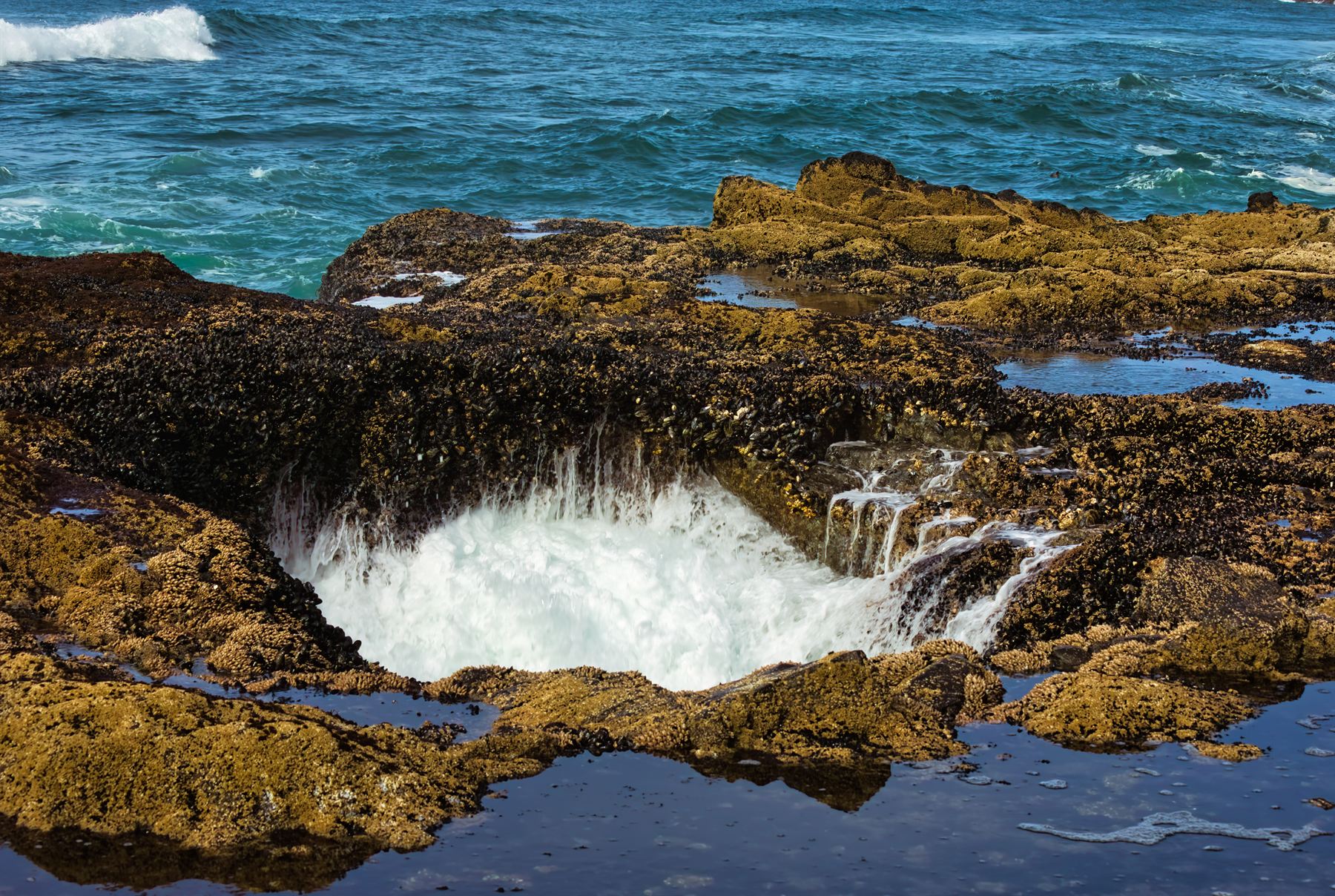
Take it into the field
Practice everything from these courses with Scott beside you, on the Oregon Coast or in the Columbia River Gorge.
See 2027 workshops